
Sleep Apnea Treatment Colorado Springs
Your Sleep Is Far Too Valuable to Neglect
Sleep apnea is a menace; every night, millions of patients miss out on countless hours of sleep due to this condition. However, what’s worse is that if left untreated, feeling tired throughout the day isn’t the only thing you’ll have to worry about – it can also trigger some pretty serious health problems. Dr. Waite has been treating sleep apnea for several years, and he’s committed to ensuring that you and your loved ones in Colorado Springs can get the quality rest you deserve that also promotes excellent wellness.
Why Choose Aspen Ridge Dental Care for Sleep Apnea Treatment?
- Diplomate of the American Board of Dental Sleep Medicine
- Personalized Treatment Plans for All Patients
- Advanced Technology Ensures Optimal Outcomes
What Is Sleep Apnea?
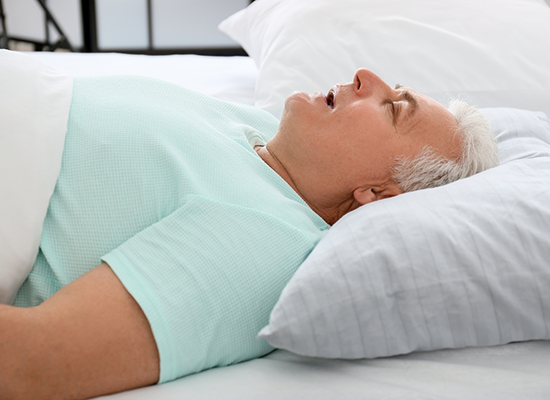
Sleep apnea refers to a condition that causes repeated breathing interruptions during sleep, often due to an obstruction of the airway. These pauses in breathing can lead to poor sleep quality, among other issues such as daytime fatigue, memory loss, impaired motor function, and irritability/moodiness. It can also trigger long-term issues affecting the cardiovascular and respiratory systems. Some common signs and symptoms of sleep apnea include loud, chronic snoring, gasping for air, and morning headaches. Perhaps the worst part of sleep apnea, though, is its discretion – many patients aren’t even aware they have it!
Dangers of Sleep Apnea

At first, sleep apnea might seem like little more than a nuisance because it can make you feel tired and sluggish. The truth is, though, that it can lead to truly devastating consequences if it remains untreated! Without timely intervention, it can increase your risk of:
- Systemic health conditions. Studies have shown a strong association between sleep apnea and numerous health problems, including high blood pressure, heart attack, stroke, diabetes, dementia, and more.
- Sleep apnea can reduce your reaction times and impair your judgement in dangerous situations. You may be at a greater risk of being involved in a serious accident, whether you are on the road, at your workplace, or at home.
- Reduced emotional wellness. Poor-quality sleep can increase your risk of anxiety, depression, and other mood disorders. These can drastically affect your quality of life and negatively impact your relationships with others.
How We Treat Sleep Apnea
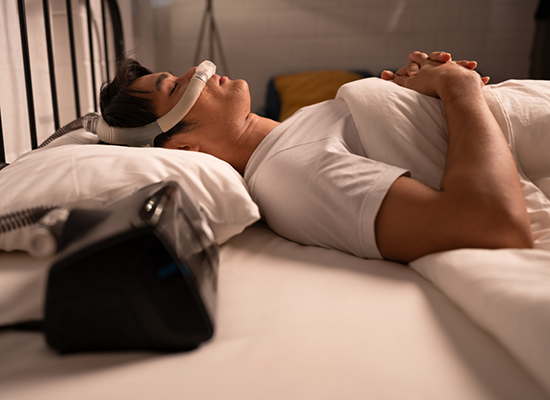
Here at Aspen Ridge Dental Care, Dr. Waite and our team proudly offer a wide range of sleep apnea treatments, including custom-made oral appliances that are designed to reposition the tongue and lower jaw forward during sleep, to help keep the airway open. These solutions are often much more comfortable for patients compared to CPAP machines, not to mention, they’re proven to show incredible improvement in sleep apnea symptoms.
Sleep Apnea FAQs
Does Everyone Who Snores Have Sleep Apnea?
No, not everyone who snores has sleep apnea, and not everyone with sleep apnea snores.
Snoring and sleep apnea often occur together, but they are actually separate problems. Snoring is simply the sound that occurs when air moves past tissues in your throat, causing them to vibrate. Light or occasional snoring can happen to anyone, and it is usually nothing to be concerned about.
If your snoring is heavy and frequent, however, there is a greater chance that you have sleep apnea. That is because the same tissues that vibrate during snoring can actually block the airway, leading to pauses in breathing.
Can I Diagnose Sleep Apnea on My Own?
Sleep apnea is not self-diagnosable. To find out for sure if you have this disorder, you should talk to your doctor. They can determine if you should undergo a sleep test. This non-invasive diagnostic method will let you know whether you have sleep apnea and how severe the condition is.
However, it is still important that you monitor the quality of your sleep. For example, you may choose to keep a sleep journal or use your smart device to track your sleep statistics. This data can give your care provider a sound basis on which to determine whether you should be referred for a sleep test.
Will My Sleep Apnea Go Away If I Lose Weight?
In some cases, obstructive sleep apnea occurs because extra fatty tissue is placing pressure on the airway, leading to interruptions in breathing. Many people find that if they lose weight, their sleep apnea symptoms are reduced or even eliminated. Even modest weight loss may be helpful.
However, keep in mind that sleep apnea can occur for a lot of reasons, many of which are completely unrelated to body weight and composition. Therefore, there is no guarantee that shedding extra weight will lead to better sleep quality. You should continue to work with your care team to enjoy the benefits of high-quality sleep.