
Emergency Dentist Colorado Springs
We’re Always Here to Help Your Hurting Smile
It’s not possible to anticipate when you’ll suffer an injury to your smile – and in all honesty, these situations have a knack for unfolding in the most inconvenient times. That said, our team here at Aspen Ridge Dental Care is readily available to assist patients with hurting smiles and troubled teeth. If you or a loved one has sustained a dental injury, don’t wait to contact our Colorado Springs office at once for emergency dentistry!
Why Choose Aspen Ridge Dental Care for Emergency Dentistry?
- Compassionate Team That Puts Patients First
- Same-Day Emergency Appointments Available
- Insurance-Friendly and Flexible Payment Plans
What to Do in a Dental Emergency
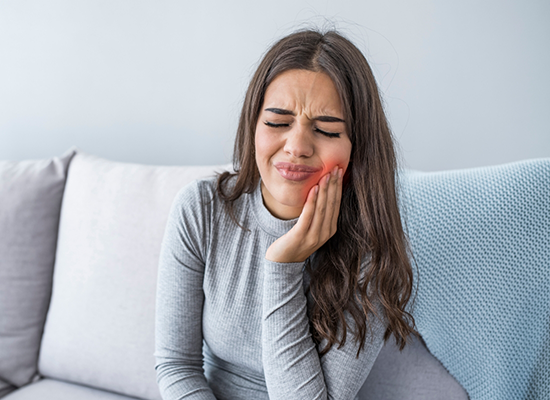
The very last thing you should do when dealing with a dental emergency is panic; you’ll want to remain calm so you can think clearly and act quickly. Instead, call our office, let us know what happened, and describe your symptoms and pain level over the phone. We’ll be able to begin providing first-aid tips, while also letting you know when you need to come in – even if it’s that very same day! Rest assured, once you’re here, your situation becomes our top priority, and we’ll work fast to address your pain and resolve the issue. Remember, dental emergencies won’t typically heal on their own, so as soon as you’ve noticed something’s amiss, let us know!
The Most Common Dental Emergencies
Even if you aren’t dealing with any outright pain, that doesn’t mean your emergency isn’t serious – in fact, a lack of pain may indicate that something is very wrong! In any case, our office is well-equipped to address a wide range of dental emergencies. The icons below are common injuries or situations we see.
Keys to Preventing Dental Emergencies

Over the years, we’ve helped countless patients who have sustained a serious dental injury, like a knocked-out tooth. So, we know firsthand how painful and stressful dental emergencies can be. That’s why – although we aim to always be just a phone call away – we also want to help you protect your teeth and gums from harm. With this in mind, keep reading to learn the steps you can take to help prevent dental emergencies in Colorado Springs.
Visit Your Dentist Regularly

Remember, routine dental visits are important, even if you aren’t experiencing dental sensitivity, a dull, persistent ache, or any other abnormal symptoms. There are a few reasons for this, starting with the fact that oral health issues can develop under the radar. Not only that, but plaque and tartar can build up without biannual cleanings, wreaking havoc on your teeth and gums in the process. So, if you want to keep your smile happy and healthy, you need to prioritize your biannual appointments.
Maintain Good Oral Hygiene At Home

Of course, you also need to take good care of your smile on a daily basis if you want to avoid a last-minute appointment with our emergency dentist in Colorado Springs due to a painful dental injury. The first step? To brush your teeth with a soft-bristle toothbrush and fluoridated toothpaste every morning and evening (and for two full minutes each time). Additionally, you should also floss, rinse with mouthwash, and clean your tongue daily.
Stick to a Nutritious Diet

Simply put, your body needs essential vitamins, minerals, and nutrients to fight off infections. Not only that, but hard pretzels, peanut brittle, and other crunchy foods increase the likelihood of your enamel chipping or cracking. That’s why it’s so important to be mindful of what you eat! To keep your smile in pristine condition, we recommend eating mostly healthy, well-balanced meals as well as limiting your intake of sugary and starchy snacks, like potato chips.
Wear a Mouthguard During Sports

All too often, patients who play pickleball, ride their bikes, or lift weights assume that they don’t need a mouthguard. That’s not the case! After all, it takes just one bad fall to wind up with a serious dental injury. So, if you don’t have a mouthguard already, it’s important that you schedule an appointment with Dr. Waite so he can have a custom one made for you.
Important reminder: You should also wear a nightguard if you grind or clench your teeth while you sleep.
Break Harmful Habits
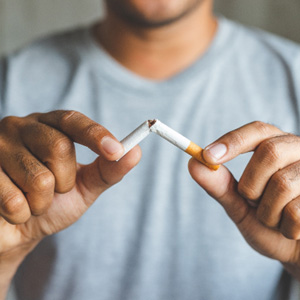
Preventing dental damage also comes down to what NOT to do. For instance, you should not use tobacco products, like cigarettes and cigars. You also shouldn’t use your teeth as tools to open things, chew on ice cubes, bite your nails, or do anything else that could result in a serious chip, crack, or fracture. If you’re having trouble breaking habits like these, don’t hesitate to talk to our team at Aspen Ridge Dental Care. We’d be happy to share our advice and recommendations!
Dental Emergency FAQs
Will a toothache go away on its own?
Generally, toothaches don’t go away on their own. Not only that, but if the sensitivity, discomfort, or pain you’ve been experiencing subsides, it is likely due to the nerve of the tooth dying. For both of those reasons, we recommend getting in touch with us when you first suspect that something may be wrong. That way, we can pinpoint the root of the problem and provide the necessary restorative care, while saving your tooth is still an option.
What can and can’t you eat with a chipped or cracked tooth?
Since a chipped tooth is at risk of breaking further, we recommend avoiding crunchy foods, like whole apples, popcorn, tortilla chips, croutons, and hard pretzels. Instead, you should opt for plain yogurt, applesauce, cottage cheese, and other foods that require minimal chewing. We should also mention here that if you choose to eat soup, pasta, or mashed potatoes, you should check the temperature first since your tooth will likely be more sensitive than usual.
Should you put a knocked-out tooth in water?
No, you should not put a knocked-out tooth in water. The reason for this is simple: doing so can damage the root surface cells of your teeth. That’s why we recommend either placing it back in the socket or, if it doesn’t slide back into place, putting it in a clean container filled with milk.
Important reminder: We only have a limited amount of time to save your tooth (less than 60 minutes). So, it’s important that you reach out to our Colorado Springs dental office ASAP. In addition to scheduling an emergency visit, we will guide you through what to do until you arrive.
Is it safe to use a toothpick?
There are a few reasons we don’t recommend using a toothpick, starting with the fact that the sharp edge can irritate your gums. So, if you get something stuck between your teeth, we recommend a different approach: using a clean strand of floss to remove the debris. If that doesn’t work, try rinsing your mouth a few times with warm saltwater (this should help loosen it).
What does chronic bad breath mean?
Chronic bad breath can be embarrassing, but do your best not to jump to conclusions, like something is seriously wrong with your teeth or gums. Instead, try eliminating pungent foods from your diet, like white fish, garlic, and pickled onions. It’s also important to commit to a solid at-home oral hygiene regimen if you haven’t already.
Of course, if the odor lingers even after changing your diet and brushing your teeth, then something may be wrong. So, don’t hesitate to reach out to our team at Aspen Ridge Dental Care. That way, we can learn a little more about what’s going on and determine if the culprit may be a dental emergency in Colorado Springs.
I Need a Checkup & Cleaning I am Worried About Gum Disease I Have a Cavity or Broken Tooth I am Missing One or More Teeth I Want to Enhance My Smile I am Worried About Sleep Apnea View Our Services